

 See My Latest Article on HelloNation
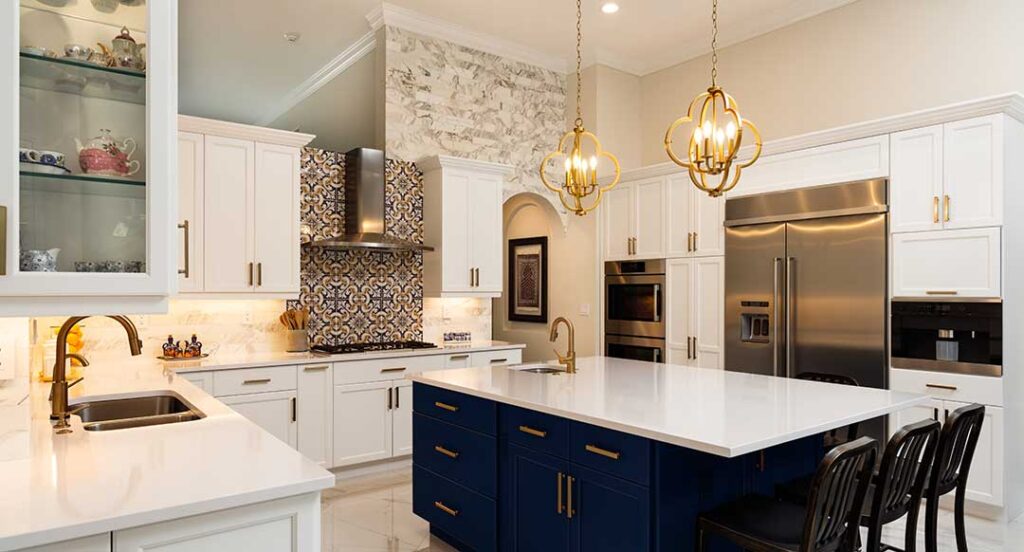
Why Does the Asking Price Matter for Greensboro, GA Homeowners?
Setting the right asking price directly affects how fast your home sells and the potential you have to maximize value. In Greensboro, GA, market conditions, seasonal fluctuations, and local buyer preferences make the price you set especially important. Overpricing often leads to fewer showings and longer listing periods, while underpricing risks leaving money on the table.
What Influences Home Values in Greensboro, GA?
The value of a home in Greensboro is shaped by several factors unique to the area:
- Neighborhood characteristics: Proximity to Lake Oconee, golf communities, or historic districts affects desirability and value.
- Home size and layout: Square footage, bedroom counts, and usable living spaces are key value drivers for area households.
- Lot features: Larger lots or unique views—such as water access—may command a premium in certain parts of the city.
- Condition and updates: Homes that have been renovated or maintained to reflect current tastes and building standards tend to be valued higher.
- Seasonal demand: The pace of the market can shift with the school calendar and holiday periods.
How Do Local Comparable Sales ("Comps") Work?
Comparable sales, often shortened to "comps," refer to the process of reviewing recent sales of similar homes nearby. In Greensboro, usable comps are found by looking at homes that sold within the past 3-6 months:
- Choose homes with similar size, age, style, and amenities.
- Factor in lot size and neighborhood specifics.
- Note any differences in updates, renovations, or property condition.
A common pitfall is basing your price on homes still on the market, rather than those that have closed—sales data offers a more accurate benchmark of what buyers are willing to pay.
Does Timing Affect Pricing in This Area?
Yes. The real estate market in Greensboro responds to seasonality more than some areas. Spring and early summer often see increased buyer activity as families look to settle before the new school year. Pricing slightly more aggressively when inventory is low and demand is high can be beneficial. If listing during slower periods, such as late fall or winter, consider a strategy that balances attracting buyers with maintaining value.
What Mistakes Should Be Avoided When Setting a Price?
The following are common missteps Greensboro homeowners sometimes make:
- Relying on outdated information or long-past sales.
- Ignoring the impact of needed repairs or deferred maintenance.
- Setting a price based on personal attachment or renovation costs that don’t align with market returns.
- Overcorrecting for features that only appeal to a small pool of buyers (such as high-end customizations).
Focusing on facts and recent data leads to a more effective pricing strategy than emotional attachment.
How Much Do Online Estimates Matter?
Automated home value estimates can be tempting to rely on, but their accuracy in Greensboro varies. These estimates pull from a mix of public records, recent sales, and proprietary algorithms. However, they may not account for unique property features, lake access, or neighborhood differences that only a local review can catch. Use these values as a very rough guide and always compare to local sales and expert insight.

Should You Adjust for Unique Features or Upgrades?
Unique aspects of your home—such as energy-efficient upgrades, outdoor kitchens, or custom landscaping—contribute to appeal but do not always guarantee a full return on investment. In Greensboro, features that are in high demand, such as screened porches or golf course views, have the greatest impact. For upgrades, consider:
- The age and quality of improvements.
- How common similar features are among nearby sales.
- Current local buyer trends and expectations.
Homes with uncommon updates should be priced with careful reference to both comps and current demand, not simply based on renovation cost.
How Do Appraisals Affect the Process?
Appraisals play a key role in most home sales, especially when a buyer uses financing. Even if a buyer agrees to pay a premium, the sale can be delayed or fall through if the appraised value comes in lower than the agreed-upon price. Setting a price closely aligned with expected appraisals ensures a smoother transaction and prevents last-minute surprises.
How Can You Test and Adjust Your Asking Price?
Pricing is not a one-time decision; it may need to be revisited. In Greensboro’s market, signs your price may need adjusting include:
- Multiple weeks on market without showings.
- Feedback from open house visitors about price concerns.
- Comparable homes selling faster at similar or lower asking prices.
It's common to review and adjust the price after a few weeks if interest remains low, especially if the market experiences shifts in inventory or demand.
What Practical Steps Can Greensboro Residents Follow?
1. Review the most recent and relevant sales of homes similar to yours in the community.
2. Factor in the current season and overall competition on the market.
3. Objectively assess your home’s condition and unique features.
4. Consider both online tools and local knowledge, but weigh closed sales data most heavily.
5. Remain open to potential adjustments if the response is slower than expected.
Setting a fair, well-researched asking price is a crucial step in a successful home sale for any Greensboro resident. Accurate pricing not only helps move your home faster, but it also instills confidence in buyers navigating the local market.